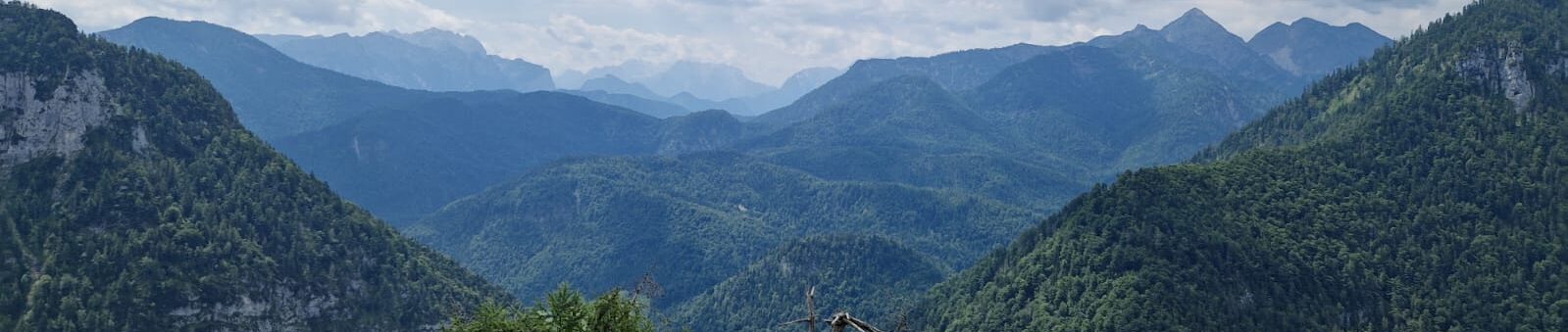
Forest that reduces natural hazards and safeguards people, infrastructure, and resources by stabilizing soil and snow, slowing water and wind, and diminishing the energy of moving debris. It intercepts and redistributes snow, anchors the snowpack, limits rockfall release and speed, traps sediment, and lowers erosion. Management focuses on keeping structure and species mixes that sustain these protective functions where exposure is high.
- INTRODUCTION
- BASIC ASPECTS OF (EUROPEAN) FOREST RESOURCES
- ECOLOGY OF TREES (autecology)
- FOREST ECOLOGY (synecology)
- REGIONAL FOREST TYPES (Forest biomes)
- FOREST STAND DESCRIPTION (inventory and monitoring)
- SILVICULTURE
- FOREST MANAGEMENT SYSTEMS
- APPLICATIONS, EXAMPLES, AND CASE STUDIES
- 59. Regional silvicultural systems
- 60. Forest enterprises
- 61. Field experiments
- 62. Model forests
- 63. Urban forests
- 64. Case: Scandinavian industrial forestry
- 65. Case: City forest
- 66. Case: Atlantic production forest
- 67. Case: Mountain forest
- 68. Case: Mediterranean forest / Agroforestry
- 69. Case: Central European state forest enterprise
- 70. Case: central European private forest estate
- 71. Case: forest management for conservation
- OUTLOOK